
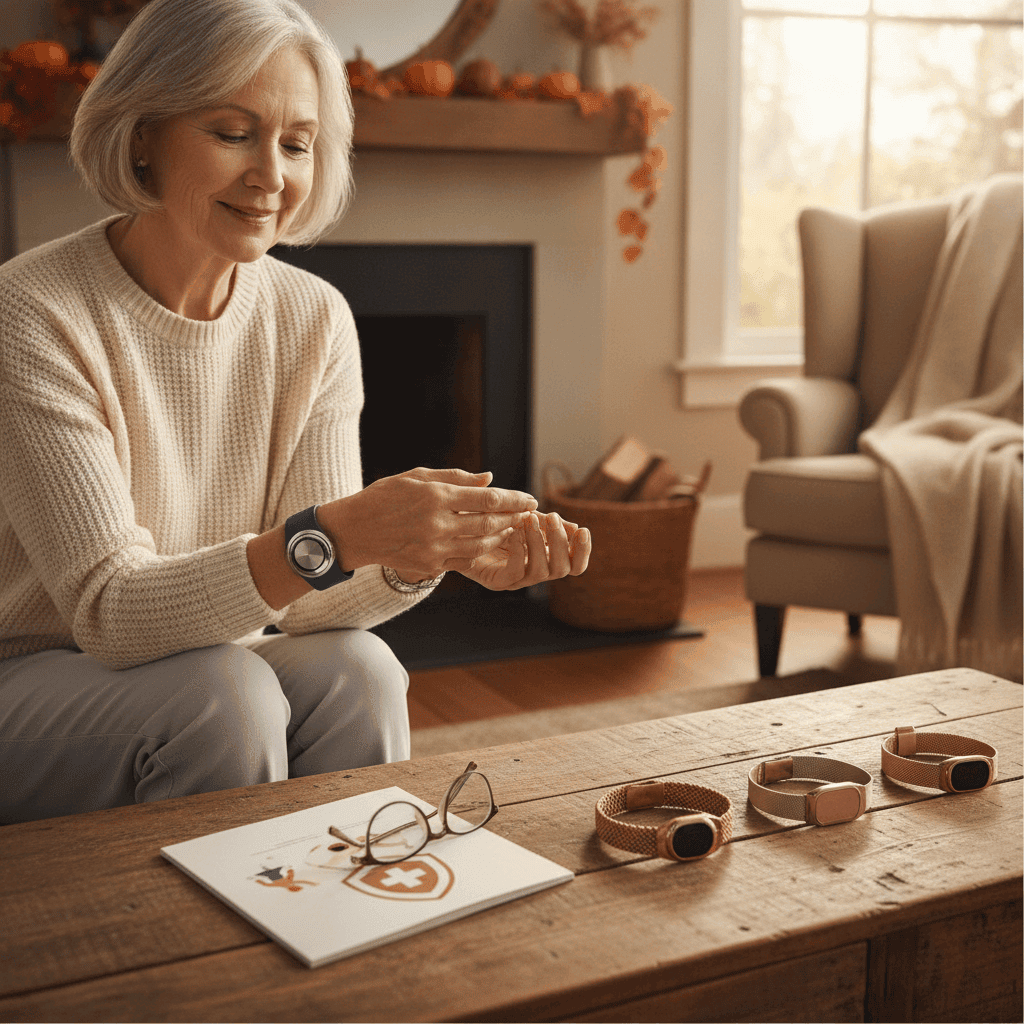
Ensuring the safety and well-being of our loved ones is a top priority for many of us. As people get older, the risk of falls becomes a real concern. These falls can sometimes lead to serious injuries and a loss of independence. That is why I believe understanding personal safety devices designed for fall detection is so important today.
I know from experience that feeling secure in your own home or while out and about is priceless. Medical alert systems have changed a lot over the years. They now offer features that can make a huge difference during an emergency. One particular innovation that stands out is the fall detection alert bracelet.
These devices are more than just emergency buttons. They represent a significant step forward in personal safety technology. This guide will walk you through everything you need to know about these alert bracelets. We will cover how they work, what features matter, and how they can give peace of mind to both users and their families.
Fall detection technology has evolved quite a bit. At its core, it aims to automatically detect when a person has fallen. It then triggers an alert to a monitoring center or designated contacts. This automatic process is crucial because a person might not be able to press a help button after a fall, especially if they are disoriented or unconscious.
Most modern systems use a combination of sensors. These sensors often include accelerometers and gyroscopes. These components work together to measure movement patterns and the speed of motion. They look for specific patterns that match a fall event. It is a smart way to recognize when something unexpected happens. The technology learns to differentiate between a simple trip and a real fall.
The accuracy of these systems has improved greatly. Early versions sometimes had false alarms. But new algorithms and better sensor integration help reduce these false positives. I always recommend looking for devices with high accuracy ratings because reliability is key in an emergency situation.
When we talk about fall detection, there are two main categories: passive and active. Passive detection is what most people think of. This is where the device automatically senses a fall. It works without the user needing to do anything.
Active detection usually involves a button the user presses to call for help. Some devices offer both. This means you have a backup if the automatic system ever misses a fall. Or you can simply press the button for any other emergency that comes up. I think having both options provides a complete safety net for users.
The choice between passive and active often depends on the individual’s cognitive abilities and personal preference. Some people prefer the simplicity of a fully automatic system. Others like the control of a button press. Many devices combine both features for maximum reassurance.
When you are considering a fall detection alert bracelets for yourself or a loved one, several features stand out as highly important. The market offers many options. Knowing what to prioritize can make your decision much easier. I always advise people to look beyond the basic function. Think about how the device fits into daily life.
Automatic fall detection is the primary feature, of course. But you also want to see reliable GPS tracking. This feature is vital for safety, especially if the user spends time outside the home. If a fall occurs away from home, GPS allows emergency responders to pinpoint their exact location quickly. This can truly save lives.
Two-way communication is another game-changer. This allows the user to speak directly to a monitoring center operator through the device. It means they can explain their situation right away. This kind of direct contact reduces anxiety and ensures the right kind of help is dispatched. I find this feature really empowering for users.
The battery life of any wearable device is a big deal. For a fall detection bracelet, it is critical. You want a device that can last for days on a single charge. This prevents the worry of the battery dying unexpectedly. Short battery life means frequent charging. This can be inconvenient and could leave someone unprotected if they forget to recharge.
Durability also matters a lot. These bracelets are worn every day. They need to withstand normal wear and tear. They should be robust enough to handle accidental bumps or drops without breaking. A reliable device is one you can trust will keep working when you need it most.
Many falls happen in bathrooms because of slippery surfaces. So, a fall detection bracelet must be water resistant. It should be able to withstand splashes and even brief submersion. This ensures protection even during showering or bathing. Without water resistance, a significant area of risk remains unaddressed.
Comfort is often overlooked. But it affects whether someone will wear the device consistently. A lightweight, comfortable bracelet made from hypoallergenic materials encourages continuous wear. If it is uncomfortable, a person might take it off. This then defeats the whole purpose of having it. I always suggest trying on different styles if possible. This helps find one that feels right.
Wearing a fall detection bracelet brings a remarkable sense of security. It gives users the confidence to maintain their daily routines. They know help is available if they experience a fall. This feeling of independence is priceless, especially for those who wish to live alone for longer.
One of the most significant benefits is the potential for quicker response times. When a fall happens, every minute counts. Rapid medical attention can reduce the severity of injuries. It can also improve recovery outcomes. An automatic alert system means help is on its way, even if the person cannot call out. This makes a huge difference in critical moments.
I have heard many stories where these devices have truly saved lives. They allow individuals to continue enjoying their hobbies. They allow them to stay active with less worry. It is not just about avoiding injury. It is about living a fuller, more active life with an added layer of protection. This support system helps people feel more secure.
For family members and caregivers, these bracelets offer immense peace of mind. They can rest easier knowing that their loved one is protected around the clock. They receive alerts directly or through the monitoring service. This creates a powerful network of care. It reduces constant worry and provides reassurance that help is always within reach.
Selecting the perfect fall detection bracelet involves thinking about several personal factors. What works for one person may not be ideal for another. I always advise considering the individual’s lifestyle. Someone very active might need a more durable and water-resistant model. A person who stays mostly at home might prefer a simpler device.
Your budget is also an important factor. Prices for these devices can vary quite a lot. Some have a higher upfront cost but lower monthly fees. Others have a lower initial cost but higher recurring charges. Make sure to compare these costs. Think about what long-term value you are getting. It is an investment in safety.
Specific health conditions also play a role. If a person has a history of certain medical issues, they might need a device with additional features. For instance, some devices integrate with other health monitoring tools. Talking with doctors or healthcare providers can help clarify these unique requirements. They can guide you towards options that best support specific health needs.
I always suggest involving the person who will wear the device in the decision-making process. Their comfort and willingness to wear the bracelet are paramount. If they feel involved, they are much more likely to embrace the technology. This increases the chances of consistent use and effective protection. It becomes a personal choice.
Once you have chosen your fall detection alert bracelet, setting it up is usually straightforward. Most companies design their systems to be user-friendly. I typically find that the initial setup involves pairing the bracelet with a base unit if it is a home-based system. Mobile versions often just require activation and setting up contacts through an app or online portal.
It is very important to program emergency contacts accurately. These are the people or services that will be notified after a fall. This could be family, friends, or a professional monitoring service. Double-check all phone numbers and contact details. This ensures the right people are reached without delay during an emergency.
Regular testing of the device is something I cannot stress enough. You should test it weekly or monthly, following the manufacturer’s instructions. This confirms that the bracelet is working correctly. It also ensures the monitoring service is receiving signals. This builds confidence in the system. It helps you trust that it will perform as expected when a real emergency happens.
Understanding how the monitoring service operates is also key. Know what their protocol is once an alert is triggered. Do they try to speak with the user first? Do they immediately dispatch emergency services? Knowing these steps helps manage expectations and ensures a smooth response. I believe clear communication with the service provider is always beneficial.
The field of fall detection technology is constantly improving. We are seeing exciting advancements that promise even greater safety and integration into daily life. I believe future devices will be even more discreet and stylish. They will blend seamlessly into everyday wear. This will increase adoption among those who might hesitate to wear a traditional medical alert device.
Emerging technologies include even more sophisticated sensors. They will offer improved accuracy and fewer false alarms. We might see devices that use artificial intelligence to learn a user’s normal activity patterns. This allows them to better distinguish between typical movements and an actual fall. This personalized approach will make systems much more effective.
Integration with smart home systems is another promising area. Imagine a fall detection bracelet that not only calls for help but also automatically unlocks doors for emergency personnel. It could turn on lights or even adjust the thermostat. This level of connectivity creates a comprehensive safety net. It can significantly enhance an individual’s independent living experience. These advancements are not far off.
I also foresee greater connectivity with electronic health records. This would allow emergency responders to access critical medical information quickly. This quick access could inform their response. It might even influence the type of care administered. The future points to a holistic approach to personal safety, where all elements work together.
Taking a proactive step with a fall detection alert bracelet is an excellent way to boost personal safety. It gives individuals and their families a strong sense of security. I have seen firsthand how these devices empower people to live more independently. They reduce the constant worry about potential falls. These bracelets are not just about reacting to an emergency. They are about preventing severe consequences by ensuring timely help is always available.
The peace of mind that comes from knowing help is on the way, even when you cannot ask for it, is truly invaluable. We have explored the various technologies, essential features, and immense benefits these bracelets offer. From automatic detection and GPS tracking to two-way communication and water resistance, each element works to create a robust safety system. This technology continues to evolve. It becomes an even more reliable tool for personal well-being. I encourage anyone concerned about fall risks to consider how this solution can enhance their life. It helps them continue living fully and safely.