
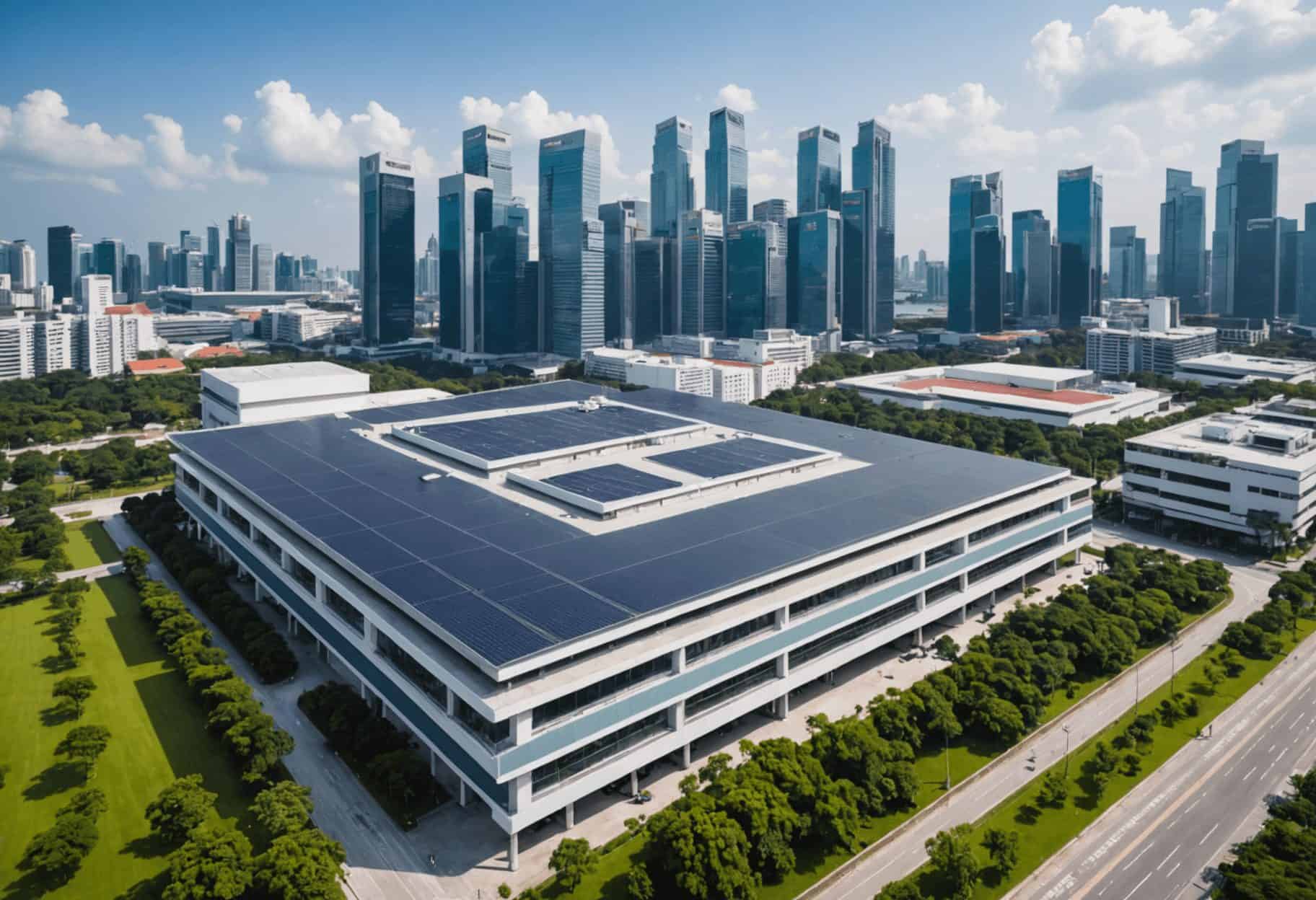
Picking a roof color in Singapore’s hot, sticky weather does more than just spruce up a house. It helps keep the place cooler and cuts down energy bills. Since it stays hot almost all year, people look for smart ways to stay chill inside and save on air conditioning. Choosing the right roof color can change the game for comfort and your budget, making it a smart move for anyone wanting a cooler, cheaper home. Here’s a little secret: some roof colors reflect heat way better than others, and this simple trick can make a world of difference in how cozy a home feels. Keep reading to find out how to make your roof work for you instead of against you.
One of the simplest yet most effective strategies involves selecting the right roof color. The shade and material of a roof can influence how much heat is absorbed or reflected, impacting indoor temperatures and energy consumption. As Singapore pushes towards more sustainable living and energy standards, understanding the connection between roof color and energy efficiency becomes increasingly important.
Heat reflection and absorption are key factors in how a roof influences a building’s temperature. Dark colors tend to absorb more heat, leading to higher indoor temperatures, especially in a face of Singapore’s unique climate. Conversely, lighter shades reflect more sunlight, keeping interiors cooler and reducing the need for air conditioning. This simple principle underscores the importance of selecting appropriate roof colors in hot and humid environments.
Dark-colored roofs such as black, dark brown, or charcoal tend to absorb about 80-90% of sunlight that hits them. This absorbed heat transfers inside, raising indoor temperatures and forcing air-conditioning systems to work harder. Over time, this increased load results in higher energy bills and faster wear on cooling systems.
White, cream, light grey, or reflective coatings can bounce back a significant portion of sunlight. This reflective property minimizes heat gain, maintaining cooler indoor environments naturally. In Singapore’s climate, choosing these shades can make a noticeable difference in energy consumption and indoor comfort levels.
Singapore’s growing emphasis on sustainability and energy conservation encourages adopting construction practices that limit energy use. Roof color choices directly influence the building’s thermal performance, contributing to compliance with local energy efficiency standards. The Housing & Development Board (HDB) and other agencies increasingly promote the use of reflective roofing materials to meet these goals.
Certifications such as BCA Green Mark encourage the adoption of cool roofs and lighter colors as part of sustainable building practices. These standards help buildings reduce their cooling energy requirements, lowering greenhouse gas emissions and utility costs. Incorporating reflective or lighter-colored roofs aligns with Singapore’s national strategy for environmental responsibility.
Although lighter or reflective roof coatings might have higher upfront costs, they often lead to substantial savings over time. Reduced reliance on air conditioning translates to lower electricity bills. Additionally, roofs with reflective coatings often require less maintenance and have a longer lifespan, reducing future repair costs.
For example, a typical Singaporean household might see their cooling energy consumption decrease by up to 20% after switching to a reflective roof coating. This not only saves money but also contributes to Singapore’s broader environmental goals by lowering carbon emissions.
Beyond color, choosing specific roofing materials that inherently reflect heat can further improve energy performance. Materials such as TPO (thermoplastic polyolefin), PVC, and reflective metal roofs are designed with high-solar reflectance and thermal emittance properties. These high-performance materials work in tandem with reflective colors to maximize heat rejection.
Proper maintenance ensures that your roof retains its reflective qualities and continues to provide energy-saving benefits. Regular cleaning to remove dirt, algae, and organic debris is essential as these can diminish reflectivity. Periodic inspections allow timely repair of any damage that could compromise the roof’s performance.
If you notice leaks or damage, consulting Waterproofing specialists in Singapore can help address issues quickly. Keeping your roof in top condition safeguards its reflective properties, prolongs its lifespan, and maintains the energy efficiency benefits it offers.
The color of your roof plays a pivotal role in Singapore’s efforts to achieve sustainable and energy-efficient living. Selecting light or reflective shades can significantly decrease indoor temperatures, reduce cooling costs, and help your property meet local energy standards. By considering factors like climate, orientation, and material choices, homeowners and developers can make informed decisions that benefit both the environment and their wallets.
Implementing a roof that maximizes heat reflection is a simple yet effective strategy for enhancing your building’s energy profile. It aligns with Singapore’s national goals for greener living and lowers your environmental footprint. Whether you are building a new home or renovating an existing one, exploring reflective coatings and cool roof materials is well worth the investment. Take the first step today by consulting seasoned roofing professionals to select the right color and material for your property. Remember, maintaining your roof properly ensures long-lasting performance and ongoing savings.